Esports continues to thrive globally, with tournaments offering millions in prize money and attracting audiences that rival traditional sports. Some titles have built legacies over a decade, while others are newer games gaining momentum. The competitive scene spans genres—shooters, MOBAs, battle royales, and mobile games—each with its own unique fanbase. Below are the 10 biggest esports games in 2025, ranked by their total prize pools and competitive relevance. These games are more than entertainment—they drive international careers, sponsorships, and even national pride. Whether you’re watching from home or grinding for the next qualifier, these titles define modern competitive gaming. Let’s explore the most lucrative and impactful esports on the planet.
1. Dota 2
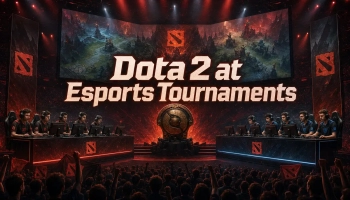
Dota 2 has dominated esports prize pools for over a decade. Its flagship tournament, The International, has set global records, with prize money surpassing $30 million in multiple editions. Funded by community-based crowdfunding and Valve’s battle pass system, Dota’s tournaments continue to offer unmatched financial rewards. The scene is global, with powerhouse teams from Europe, Southeast Asia, and the CIS region. While its learning curve is steep, top-level play rewards incredible skill and coordination. The game maintains a smaller but elite player base, loyal to its depth and balance. In sheer earnings potential, Dota 2 remains the undisputed king of esports.
2. Fortnite
Fortnite made waves in esports when its 2019 World Cup handed out $30 million in total prizes—putting the game on the competitive map overnight. Since then, Epic Games has continued to support the scene with regular FNCS events and multi-million-dollar prize pools. Although less structured than traditional esports, Fortnite thrives through open qualifiers and youth-driven popularity. The competitive format emphasizes fast reactions, creative building, and survival under pressure. Many of the top players have become celebrities with huge followings. Despite its younger audience, the earnings opportunities remain elite for those at the top. With global accessibility and massive visibility, Fortnite’s place in esports remains strong.
3. PUBG / PUBG Mobile
While the original PC version of PUBG has seen a dip in Western markets, PUBG Mobile has exploded in popularity across Asia and the Middle East. Major tournaments like the PMGC (PUBG Mobile Global Championship) and PMWI regularly feature prize pools of $3–4 million. Tencent and Krafton have invested heavily in esports infrastructure across India, Indonesia, China, and more. PUBG’s gameplay rewards tactical patience, precise shooting, and zone control—ideal for long-form competitive formats. Some of the largest mobile esports events in history have been hosted under the PUBG brand. The mobile version now outshines the PC version both in viewership and prize money. It’s become the flagship title for mobile esports globally.
4. Apex Legends
Apex Legends has rapidly climbed the competitive ladder with the Apex Legends Global Series (ALGS), offering prize pools exceeding $3 million annually. EA and Respawn have committed to long-term competitive support, including LAN finals and international broadcasts. The game offers dynamic movement, squad synergy, and hero-based tactics within a battle royale setting. Apex rewards aggressive gameplay and quick decision-making, appealing to both viewers and players. Top teams from North America, Japan, and Europe now headline global events. Prize pools have grown each year since launch, reflecting increased investment and fan interest. Apex Legends is on pace to become a staple of competitive battle royale for years to come.
5. Valorant
Valorant has become Riot Games’ second major esports empire after League of Legends. The Valorant Champions Tour (VCT) and Masters events deliver annual prize pools of $3–4 million globally, backed by top-tier production and franchised teams. The game mixes tactical shooting with unique character abilities, creating a distinct competitive meta. Young audiences, strong influencer support, and Riot’s infrastructure have helped build a massive fanbase in record time. Valorant also attracts top talent from CS:GO and Overwatch, boosting its overall skill ceiling. The competitive ecosystem is already global, with major leagues across the Americas, EMEA, and Asia-Pacific. With structured leagues and prize consistency, Valorant’s future in esports looks solid and sustainable.
6. League of Legends
League of Legends has the most organized competitive ecosystem in the world, with structured regional leagues like the LCK, LEC, and LCS. Though its prize pools are more modest compared to Dota 2—around $2–2.5 million for Worlds—it boasts unmatched consistency and visibility. Worlds attracts tens of millions of concurrent viewers, making it the most-watched esports event annually. Riot’s long-term investment ensures career stability for hundreds of pro players across regions. LoL also benefits from collegiate and amateur systems that feed into the pro scene. Its deep strategy, polished gameplay, and team dynamics make it a mainstay of global esports. While the money isn’t the highest, the prestige and exposure are unrivaled.
7. Rocket League
Rocket League’s simple concept—soccer with cars—has translated into a highly watchable and skill-intensive esport. The Rocket League Championship Series (RLCS) distributes over $2 million yearly across multiple regions. Psyonix and Epic Games have expanded support to include global circuits with LAN finals. Rocket League’s low entry barrier and high skill cap make it accessible for new fans and players alike. North America and Europe dominate the pro scene, though other regions are growing. The game’s visual clarity and pace make it a fan favorite, even among those unfamiliar with traditional esports. Prize pools continue to grow, making it one of the strongest second-tier esports titles.
8. Counter-Strike 2
Counter-Strike 2, the upgrade to CS:GO, continues the legacy of one of the most storied titles in competitive gaming. Despite not reaching the same prize heights as Dota or Fortnite, annual pools still exceed $2 million across events like ESL Pro League, BLAST Premier, and Majors. The game focuses on raw mechanical skill, teamwork, and strategy—perfect for LAN competition. Valve has improved engine performance and anti-cheat systems to support the new era of CS. Europe, especially Denmark, Russia, and Ukraine, leads the competitive landscape. The switch from CS:GO has been smooth, preserving the vibrant ecosystem. It remains a pillar of the FPS esports scene worldwide.
9. Call of Duty / Warzone
The Call of Duty League (CDL) is Activision’s flagship franchise-based league, offering stable salaries and structured team systems. While prize pools hover around $1–2 million annually, the league is known for big-name sponsors and strong brand loyalty. Warzone’s competitive scene is less formal but features frequent tournaments with solid payouts. Call of Duty thrives in North America and continues to grow in Latin America and the UK. Its fast-paced gameplay and polished production make it a fan-favorite on streaming platforms. Though not the largest in prize money, its community and infrastructure keep it strong. CoD remains a staple in console and shooter-based esports.
10. Mobile Legends: Bang Bang
Mobile Legends dominates Southeast Asian esports with events like the M-Series World Championship and MPL (Mobile Legends Pro League). Prize pools are growing, with recent editions approaching $1 million or more. Its low hardware requirements and wide availability make it the most accessible esport on this list. Nations like the Philippines, Indonesia, and Malaysia have built massive fanbases and superstar rosters. MLBB matches are often viewed by tens of millions across YouTube and Facebook. The game’s short match times and strategic teamfighting keep it intense and engaging. While still regional, its growth signals mobile esports’ growing influence on the global stage.
Conclusion
Esports in 2025 is more diverse and competitive than ever, spanning PC, console, and mobile platforms across every corner of the globe. While some games lead in prize money, others dominate in viewership, infrastructure, or accessibility. From the deep complexity of Dota 2 to the pick-up-and-play appeal of Rocket League or Mobile Legends, there’s an esport for every kind of fan. As publishers invest more in professional ecosystems and prize funding, the future of competitive gaming only grows brighter. These 10 titles prove that esports is not a trend—it’s a permanent and powerful pillar of global entertainment. Whether you’re chasing the prize or cheering from the sidelines, the arena is open.